
Trimming Goat Hooves: Essential Care for Healthy Goats
Trimming goat hooves is a fundamental aspect of goat husbandry, crucial for maintaining the overall health and mobility of your herd. Whether you manage a small backyard goat prompt or operate a large-scale goat tower farm, regular hoof trimming prevents painful conditions such as hoof rot, overgrowth, and lameness. Proper hoof care supports the wellbeing of both male and female goats, including considerations for female goat sex health and breeding readiness.
Goats naturally wear down their hooves by walking on rough terrain, but domesticated goats often need assistance. In particular, angora goat white varieties, prized for their luxurious fiber, require careful hoof maintenance to avoid infections that can compromise their coat quality. Neglecting trimming can lead to serious complications, making it vital for every goat owner to learn the correct techniques and timing for hoof care.
Trimming hooves is essential for the health and comfort of your goat, preventing pain and mobility issues.
Trimañ skubloù an dorc’hennoù a zo pouezus evit o yec’hed; gouzout hiroc’h war winbet.
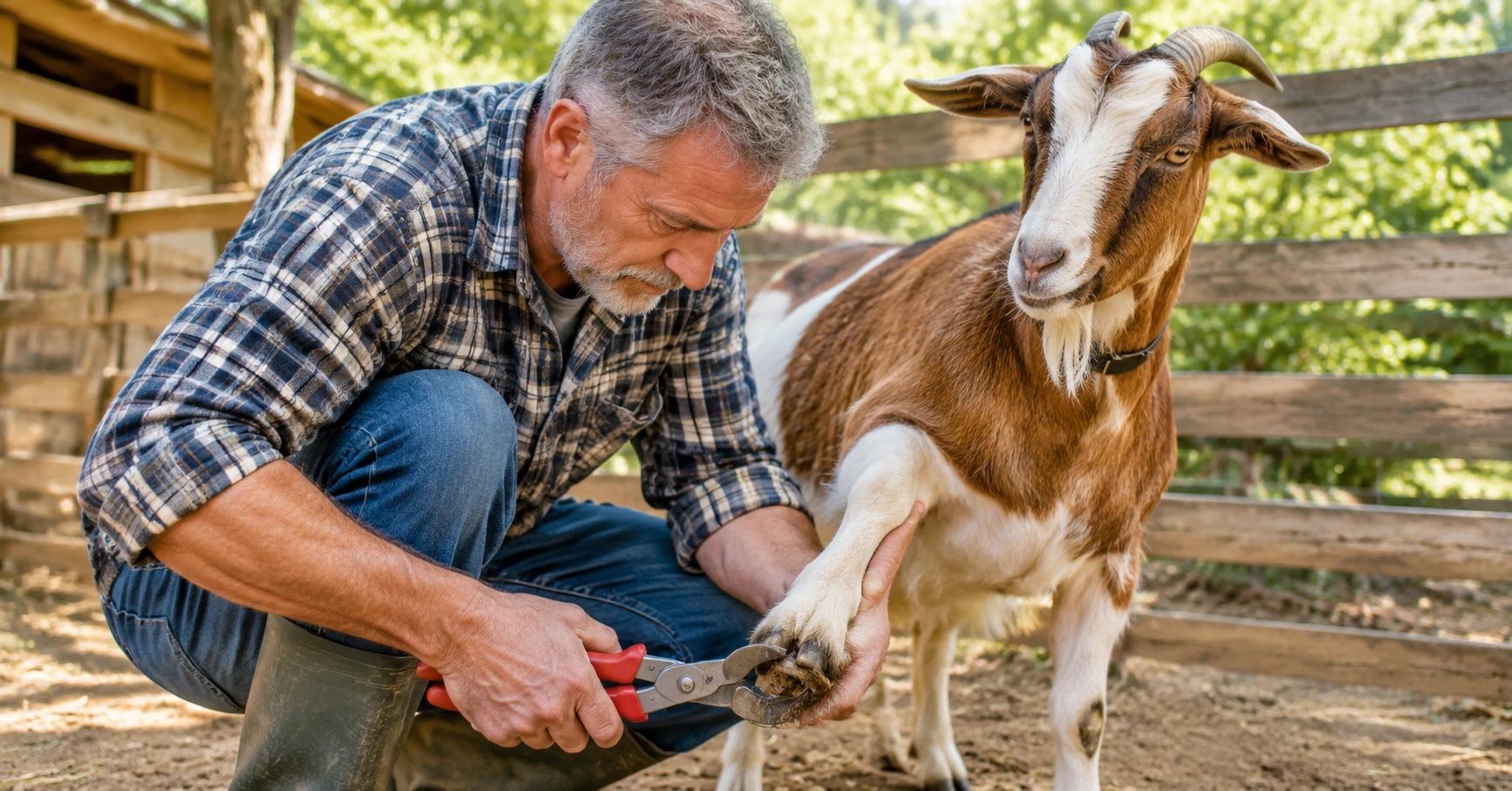
When trimming goat hooves, it is important to use the right tools, such as sharp hoof trimmers or nippers, and to ensure a calm environment for the animal. Start by cleaning the hooves to remove dirt and debris, then carefully trim the excess hoof wall and sole, avoiding the sensitive quick. Regular inspection during trimming helps identify early signs of disease or injury, allowing for prompt treatment.
Experienced goat farmers at goat tower farms recommend trimming hooves every 4 to 6 weeks, though this can vary depending on the terrain and goat activity levels. Scheduling hoof care sessions alongside other routine health checks, such as vaccinations and parasite control, ensures comprehensive management of your herd’s health.
In addition to physical health, trimming goat hooves contributes to better performance in activities like breeding and milk production. Female goats, particularly those involved in breeding programs, benefit from pain-free movement and reduced stress, which can positively influence female goat sex cycles and fertility. Healthy hooves also enhance the overall quality of life for goats, reducing the risk of secondary infections.
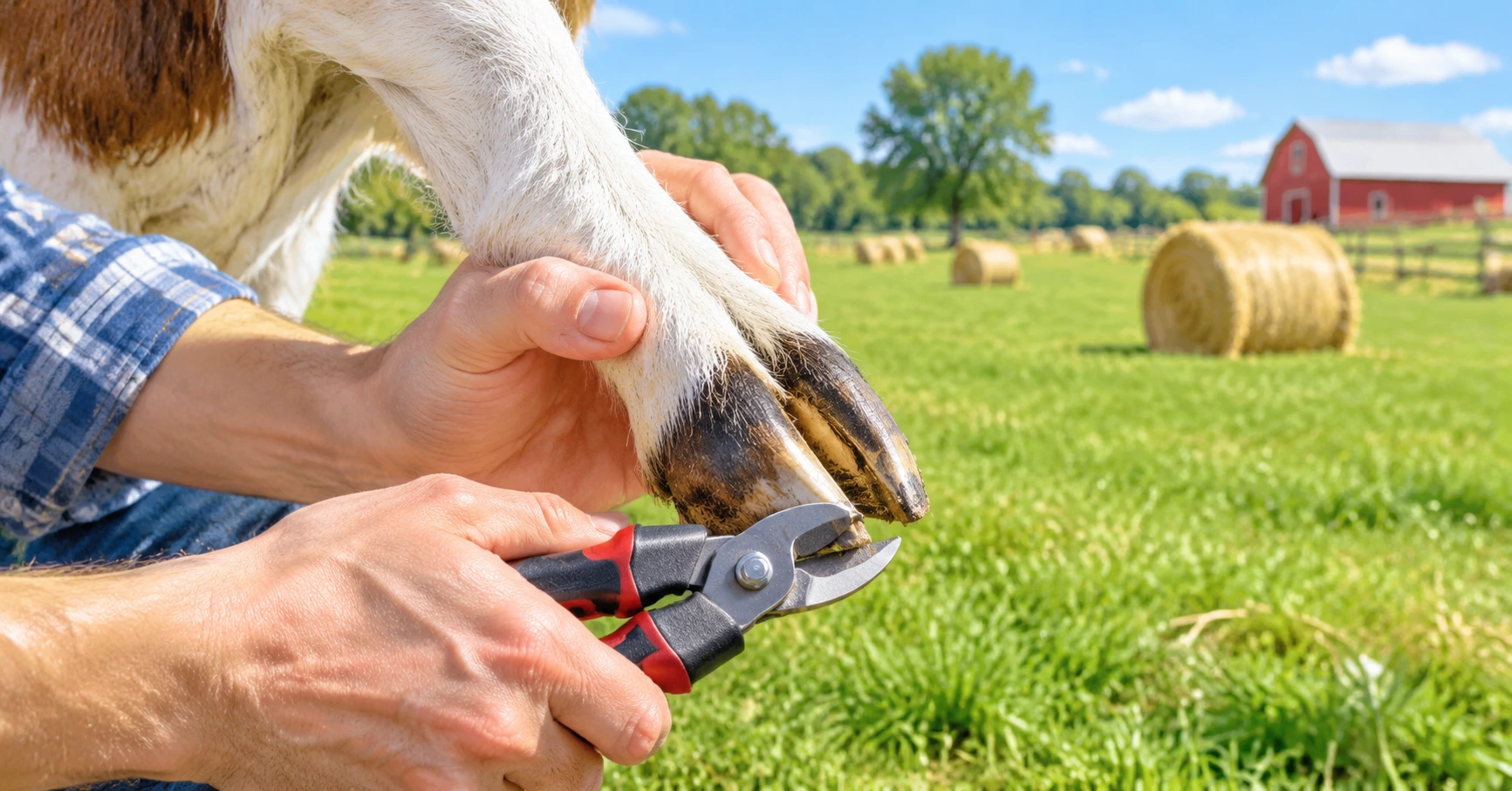
For goat enthusiasts who enjoy digital farming experiences, such as playing goat simulator all skins, understanding real-life goat care like trimming hooves adds depth to their appreciation of these intelligent animals. Whether virtual or real, goats require attentive care to thrive.
Beyond trimming, goat owners should also consider environmental factors. Providing dry, clean bedding and well-drained pastures helps keep hooves healthy and minimizes the risk of fungal infections. Regularly rotating grazing areas and maintaining clean feeding stations further supports hoof health.
Finally, educating yourself on the specific needs of different goat breeds, including angora goat white, meat goats, and dairy goats, will optimize your trimming routine. Each breed may have subtle differences in hoof structure and growth rate, influencing trimming frequency and technique.

In conclusion, trimming goat hooves is not just a routine chore but a vital practice that promotes the longevity and productivity of your goats. By incorporating regular trimming into your goat care regimen, you ensure that your herd remains active, comfortable, and healthy, whether on a small backyard goat prompt or a large goat tower farm.